Conference Program
Monday, November 9
· Session 1 - Evolution of Brazilian Response Capacity - Regulators' Perspective· Session 2 - Tier 3 / Coordinated Command +...
Fee: Complimentary — All Access Pass required
· Session 1 - Evolution of Brazilian Response Capacity - Regulators' Perspective
· Session 2 - Tier 3 / Coordinated Command + Shell + SBM + Navy
· Session 3 - Innovation in Response
· Session 4 - Risk Management / DECOM "ICS Beyond Oil Spill"



Advance registration required. Limited and by invitation only. Selecting this workshop places you on the waitlist. You'll be...
Fee: Complimentary, All Access Pass required
Advance registration required. Limited and by invitation only. Selecting this workshop places you on the waitlist. You'll be notified if your request is approved.
This opening day tabletop exercise immerses participants in a multi-jurisdiction oil spill scenario spanning both on-water and on-land response operations. Working through real-world challenges with fellow practitioners, attendees will examine industry best practices and innovative approaches to situational awareness and incident response. To maximize outcomes, participants will receive a read-ahead package in advance. During the exercise, the PRATUS platform will deliver scenario context and problem sets to drive focused discussion — and the session culminates in actionable next steps participants can bring back to their organizations.
Key Takeaways:
This workshop will provide the participant with:
1) Understanding of industry best practices and newest innovations for incident response.
2) Understanding the use of technology to design, develop, conduct, and evaluate exercises.
3) Actual insights to take back to their company/organization to improve their readiness and response capabilities.
Who Should Attend:
Crisis and continuity managers, emergency response professionals, exercise planners and evaluators, and public and private sector personnel responsible for incident management, preparedness, and organizational resilience.
Fee: Complimentary — All Access Pass required
The Natural Resource Damage Assessment (NRDA) process is often the final, and most costly, resolution of a spill incident, yet it remains one of the least exercised elements of spill preparedness. In this workshop, participants take on decision-making roles within a realistic oil spill scenario, working under pressure to navigate technical, legal, and economic consequences in real time. Facilitated breakout teams will collaborate on response-related environmental impacts, field data collection strategies, and early restoration planning, then report findings back to the full group. By putting participants in the driver's seat rather than the audience, this exercise builds practical skills that connect response operations to long-term liability outcomes. Attendees will leave with firsthand experience in how early, coordinated action during a response can significantly reduce NRDA exposure.
Key Takeaways:
· A working understanding of the NRDA process, including the regulatory framework, trustee roles, and assessment timelines
· Clarity on how spill response activities and NRDA intersect, and where they diverge, so responders can avoid unintentionally increasing liability
· Practical guidance for integrating NRDA-aware data collection into response operations from the first hours of an incident
· Specific, actionable strategies that Responsible Parties and response teams can implement during a spill to reduce long-term natural resource damage claims
This workshop will provide the participant with:
A practical, scenario-based understanding of the NRDA process and how it connects to spill response decision-making. Participants will gain tools and strategies for collecting response data that supports NRDA outcomes and reduces long-term liability.
Who Should Attend:
This workshop is designed for professionals with responsibilities tied to oil spill preparedness, response, or liability under OPA 90.
· Owners, operators, transporters, and storers of oil and oil products
· Legal advisors, trustees, and consultants supporting spill response and damage assessment


Tuesday, November 10
The session opens with a practical primer on the weather systems behind the most damaging wind events: synoptic storms like low-pressure systems and hurricanes, and mesoscale events including thunderstorms, derechos, and tornadoes. From there, it shifts to utility operational response — how fire weather concerns shape Public Safety Power Shutoff decisions and other mitigation activities, how wind-driven outages affect the system, and the resiliency work underway to get ahead of future events. The environmental responder perspective rounds out a full picture from forecast to field.

The session will discuss the regulatory requirements for dispersant surface monitoring and how industry is working to meet the response capability, including learnings from the recent field deployment of surface monitoring equipment. The session will conclude with Q&A.


When a major incident strikes, the people stepping into Incident Command aren't always the ones who trained for it. Engineers, operators, trades supervisors, and compliance specialists may suddenly find themselves filling Command and General Staff roles — not because they volunteered, but because the situation demands it. Panelists will share practical strategies for leading without positional authority, tools and frameworks that help personnel rapidly orient to ICS roles, and approaches for closing the gap between day-to-day job functions and emergency command readiness before the next incident makes it urgent.



This session brings together planners, responders and decision-makers from across the US and Canada to share firsthand experiences navigating the complexities of cross-border and cross-jurisdictional incident response. Panelists will candidly discuss the real-world obstacles encountered when planning and coordinating across state, federal, and international boundaries — from regulatory differences and communication gaps to resource sharing and unified command challenges. Attendees will walk away with practical best practices and strategies for strengthening partnerships before the next incident strikes.


This session will examine some of the current practices with the use of AI in spill preparedness including use in exercises, plans, and training followed by a discussion on future possibilities.




This session will examine produced water as the largest waste stream in the oil and gas industry and one of its most pressing emerging challenges. It will address the growing volumes of produced water, the increasing regulatory and public scrutiny of constituents such as PFAS, salts, and Naturally Occurring Radioactive Material (NORM), and the operational implications for management, treatment, reuse, and disposal. The discussion will also explore how operators, regulators, and communities are redefining approaches to produced water management in response to environmental, technical, and stakeholder pressures.

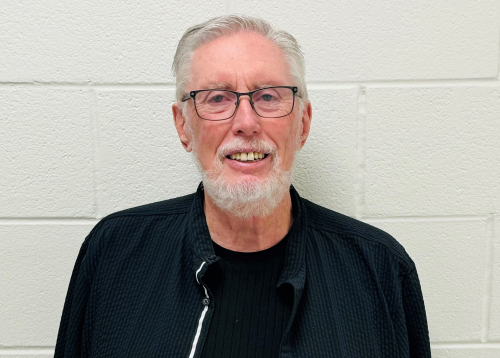
Leading in Unified Command explores the human side of emergency response leadership through the perspectives of industry, state, and federal leaders. Panelists will share lessons on building trust, aligning priorities, making decisions under uncertainty, and creating the relationships that determine success when multiple organizations must lead together.

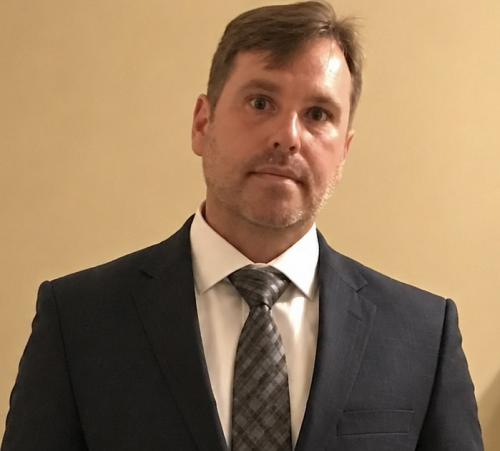
This session brings together planners, responders and decision-makers from across the US and Canada to share firsthand experiences navigating the complexities of cross-border and cross-jurisdictional incident response. Panelists will candidly discuss the real-world obstacles encountered when planning and coordinating across state, federal, and international boundaries — from regulatory differences and communication gaps to resource sharing and unified command challenges. Attendees will walk away with practical best practices and strategies for strengthening partnerships before the next incident strikes.



When real incidents unfold, response strategies must evolve with them. This session examines two case studies that go beyond textbook approaches, offering hard-won insight from practitioners who navigated high-stakes, complex response environments.
Together, these presentations offer practical lessons on building adaptive response programs that can hold up when conditions on the ground demand more than any playbook can provide.
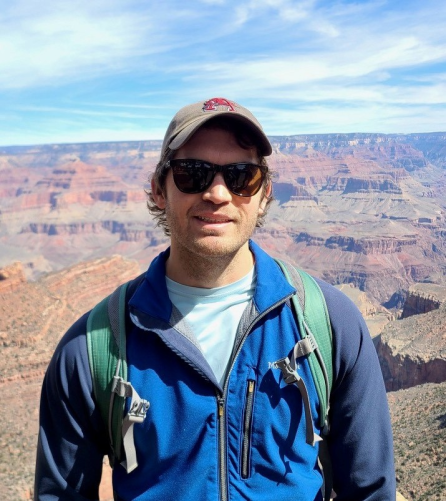
This session will examine some of the current practices with the use of AI in spill response including use in monitoring and surveillance, and operations, followed by a discussion on future possibilities.
When an incident unfolds, communication can be the difference between a coordinated response and a compounding crisis. This panel brings together seasoned professionals to examine what effective communication looks like across the full spectrum — from routine operations to high-stakes emergencies.
Panelists will explore how organizations can sharpen their messaging strategies, align internal and external communication, and build the communication muscle before it's needed most.
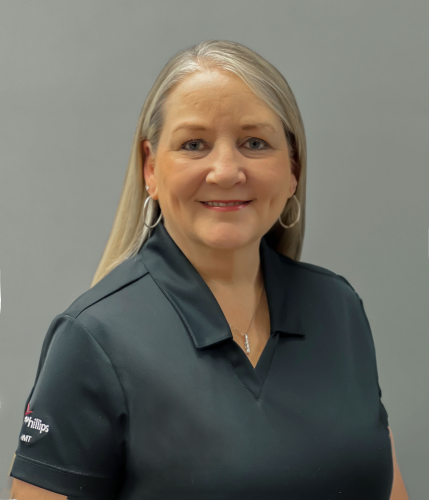


This session will present a detailed case study of a large-scale lithium-ion battery fire response that extended over 12 months. Attendees will explore the hazards associated with thermal runaway events, the operational challenges of suppressing lithium battery fires, and the response strategies that proved effective in this prolonged incident. The
Drawing on insights from U.S. EPA Region 9 wildfire response efforts, the session will also highlight tactics such as hazard characterization, air monitoring and evaluation, and household hazardous waste collection and disposal. Participants will leave with a stronger understanding of the complexities involved in large-scale battery fire incidents and the critical factors to consider when planning and executing an effective response.
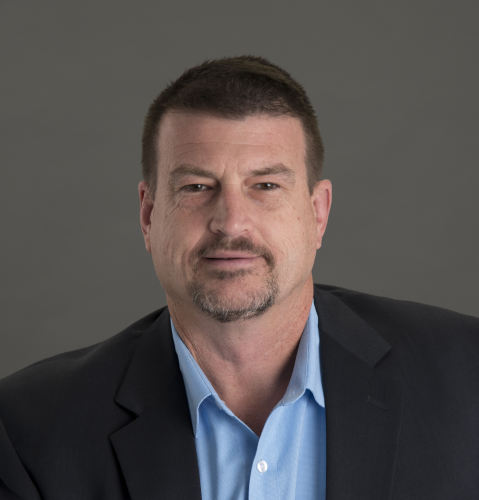
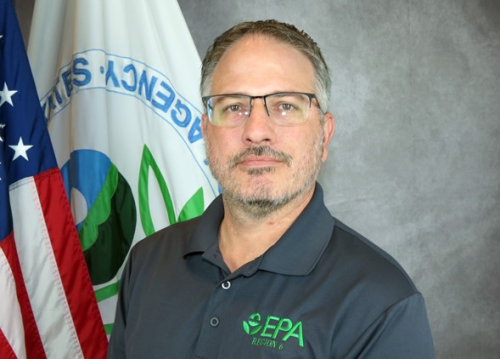
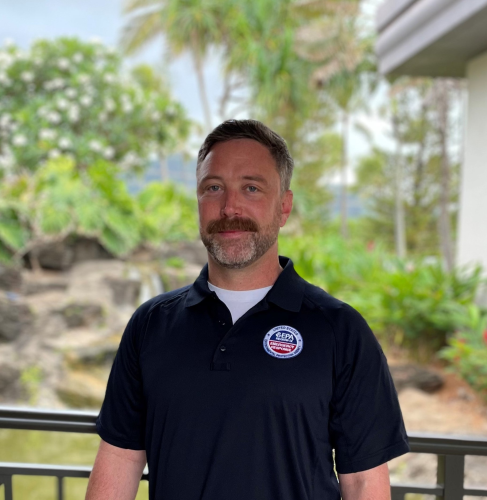
This session explores how emergency management professionals can secure executive buy-in for a strong emergency response program before an incident occurs. Attendees will learn practical strategies for framing preparedness as a business priority, aligning emergency planning with organizational risk, resilience, and continuity goals, and communicating value in terms leadership understands. The discussion will cover building a compelling business case, leveraging data and real-world incidents, and engaging stakeholders to move from compliance-driven efforts to a proactive, well-supported program. Participants will leave with actionable approaches to influence leadership and strengthen organizational commitment to emergency preparedness.


Wednesday, November 11
When a gas line fails, the hazards are immediate and invisible — no sheen on the water, no boom to deploy. Responders face vapor migration, ignition risk, and evacuation decisions that must be made quickly with limited information. Meanwhile, advances in detection technology are giving field teams better tools to find problems before they become incidents.
This session is built for the people who manage, maintain, and respond to gas assets every day. Three panelists will walk through real-world challenges in pipeline integrity, emergency response, and the regulatory/community aftermath of gas releases. We'll keep it practical — what works, what doesn't, and where the gaps are. The session wraps up with a facilitated discussion and live polling, so attendees can benchmark their readiness against the room.


The Common Operating Picture has always been central to effective incident response — but what goes into it, and how it's built and shared, is changing fast. This session examines the cutting edge of COP development, from emerging data sources to multi-organizational integration that stretches across agencies, contractors, and command structures.
Attendees will explore how innovative tools and collaborative frameworks are transforming both spill prevention and response, and leave with fresh perspectives on what a modern COP can — and should — look like for their operations.


This session explores how leaders make high-quality decisions in high-stakes, high-pressure environments and how early crisis leadership shapes both immediate response and long-term recovery. Participants will examine common decision-making biases and traps in command settings and learn practical models to improve decision quality during exigent circumstances. Drawing on real-world disaster response experience, including complex multi-hazard incidents, the session highlights how rapid coordination, structured operational planning, and integrated restoration thinking can improve outcomes. Attendees will leave with actionable strategies for decision quality and leadership effectiveness across diverse emergency environments.


This session introduces use of remote sensing technologies to detect, characterize and monitor spills across marine and coastal environments. Discussion will highlight how tools can integrate into modern spill response workflows to improve safety and support data-driven decision making.

This session addresses the mental health challenges unique to all-hazards response, equipping responders, team leaders, and organizational decision-makers with practical tools to build resilience and sustain workforce well-being. Attendees will explore the psychological demands placed on response personnel and leave with coping and support strategies they can apply at the individual and organizational level..
Out of respect for the sensitive nature of this topic, no recording or photography is permitted during this session.
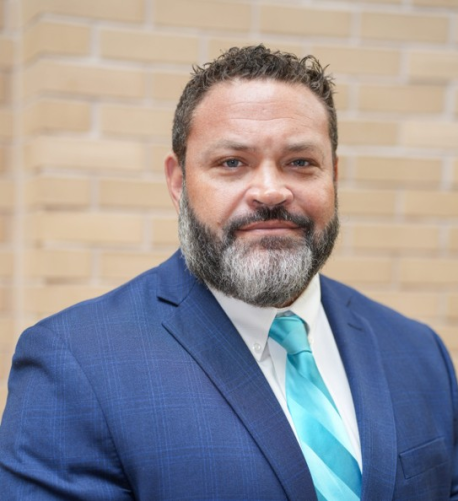
This session provides a practical, ground‑level introduction to the essential steps required after a battery undergoes a thermal event. We’ll break down how to assess site conditions, stabilize and prepare damaged cells or packs, select appropriate containment and packaging methods, and navigate the regulatory landscape that governs transport and disposal. The lecture emphasizes real‑world decision‑making, safety considerations, and compliance requirements, giving participants a clear framework they can apply immediately in field operations or emergency response planning.
When oil spills threaten wildlife, there’s no such thing as “average” – every response brings new challenges, surprises, and creative solutions. Forget ordinary! Join a dynamic panel of experts for a lively eye-opening discussion that goes beyond the textbook, spotlighting unconventional strategies, and real-world stories from the field.


This session addresses the mental health challenges unique to all-hazards response, equipping responders, team leaders, and or...
This is a continuation of the prevsious session
This session addresses the mental health challenges unique to all-hazards response, equipping responders, team leaders, and organizational decision-makers with practical tools to build resilience and sustain workforce well-being. Attendees will explore the psychological demands placed on response personnel and leave with coping and support strategies they can apply at the individual and organizational level..
Out of respect for the sensitive nature of this topic, no recording or photography is permitted during this session.
Incident Management Teams are only as effective as the training behind them. This session examines how organizations can build and sustain high-performing IMTs within the constraints of real operational schedules — exploring best practices, emerging guidance including API's simplified planning cycle, and lessons drawn from training models used outside the energy industry.
Attendees will come away with practical approaches to IMT position development and training planning that work with the time and resources they actually have.


Filter by Day
Search
Search for keywords or speakers